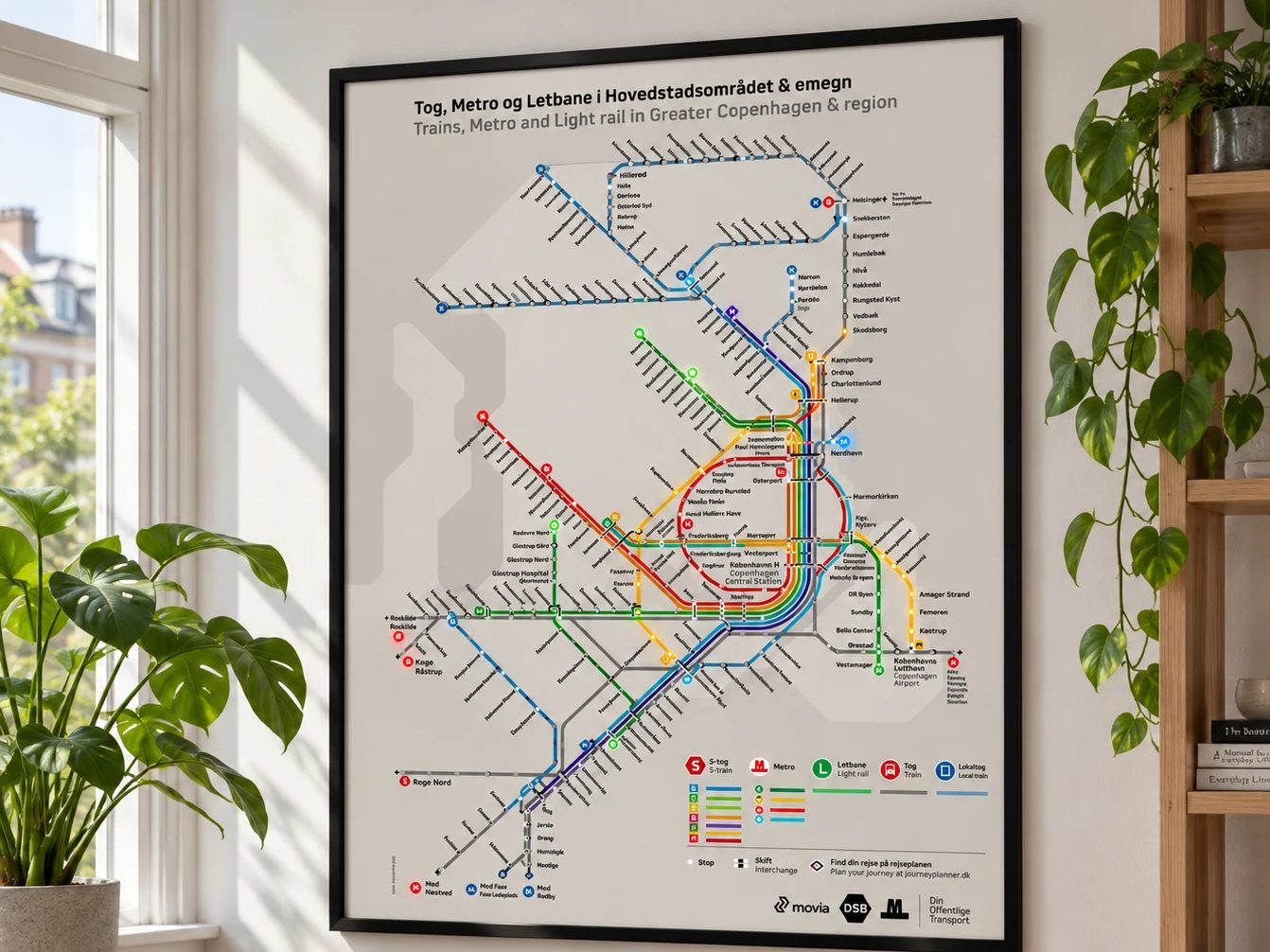
DSB Train Map
The Danish rail network as an LED poster. Every light is a real train, moving right now.
Raj Kaul · Experience Designer & Maker
Chief Designer @ Danske Bank
30 random pieces. 60 seconds.
Show us what you’ve got.
This little toy needs WebGL, which your browser has switched off. See the real things I build instead.
Click to place · Right-click or R to rotate · Q/E turn view · ⌫ undoDrag to aim · Lift to snap it on
Look what you made.
Built with 0 pieces
Drag to orbit · click, then scroll to zoomDrag sideways to orbit · pinch to zoom
Experience Designer & Maker · Denmark
I’m Raj, a designer working across services, digital products, and technology. For 15+ years, I’ve moved between the big picture and the hands-on details — shaping experiences, making prototypes, and turning ideas into things people can use.
Away from the screen, I 3D print, solder ESP32 boards, and write code to test ideas in the real world.
2026 projects
Some are on the wall. Some are on my desk. Some are still on the build plate.
The Danish rail network as an LED poster. Every light is a real train, moving right now.
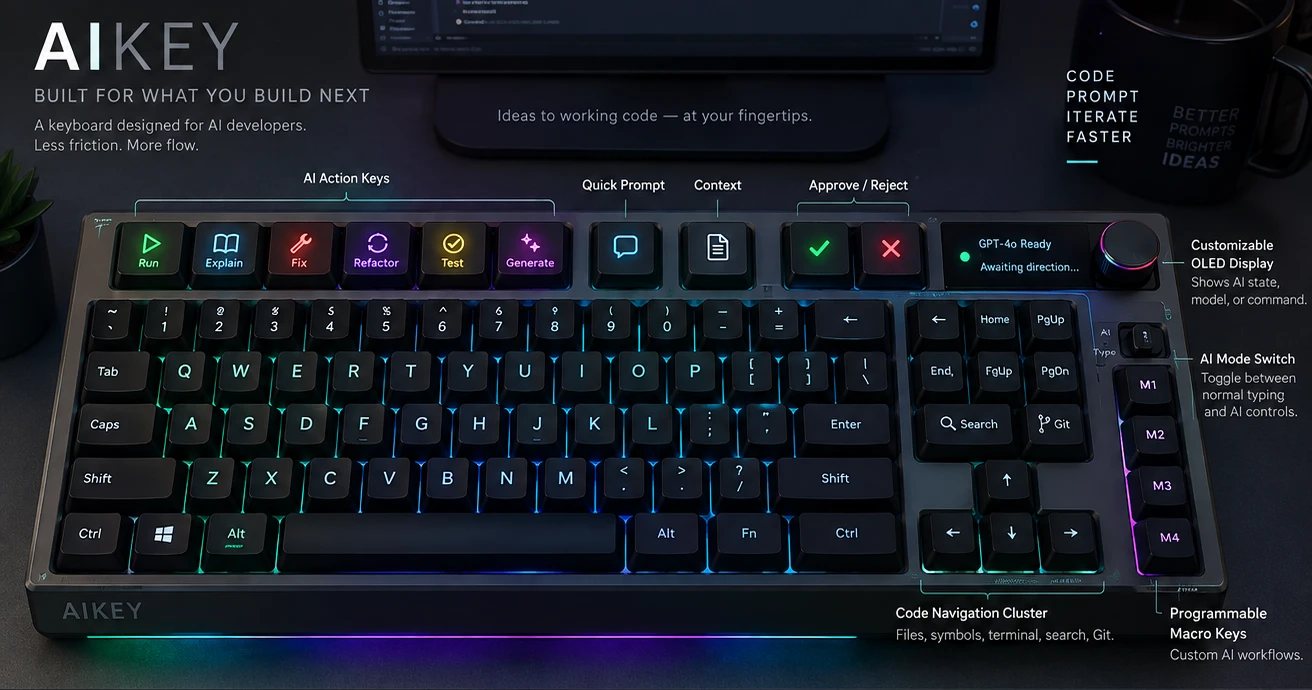
A hardware keyboard built for one job. Prompting AI.

A wearable AI journaling companion that turns moments from your day into a minimalist journal.
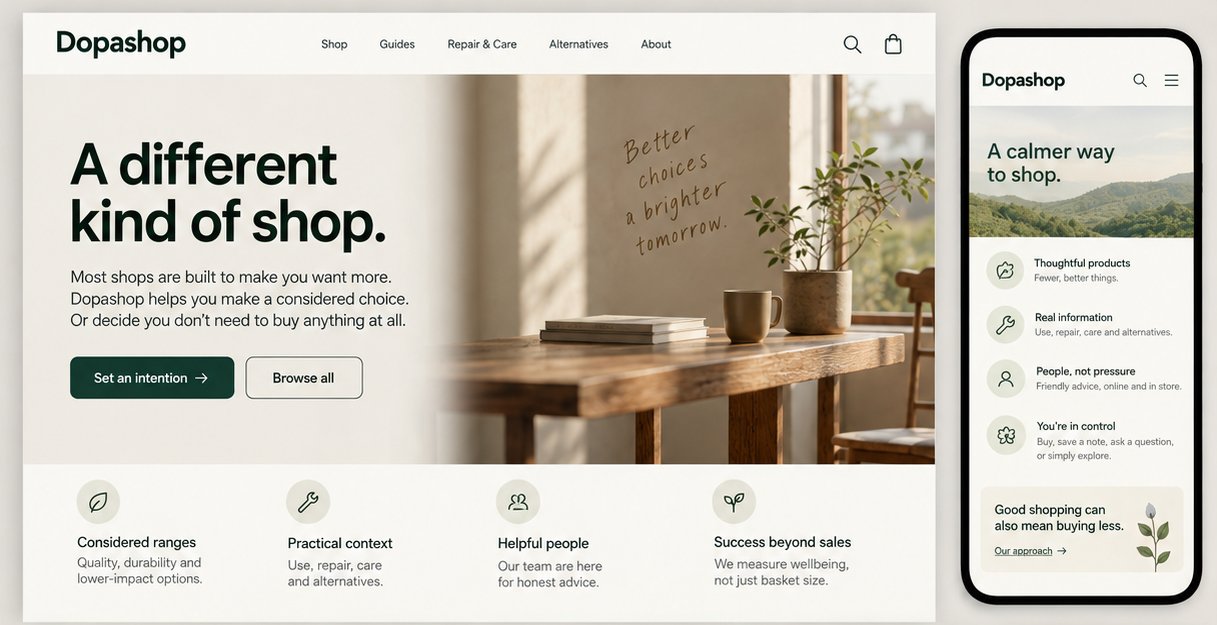
A playful retail experience designed to cleanse your dopamine, not drain it.
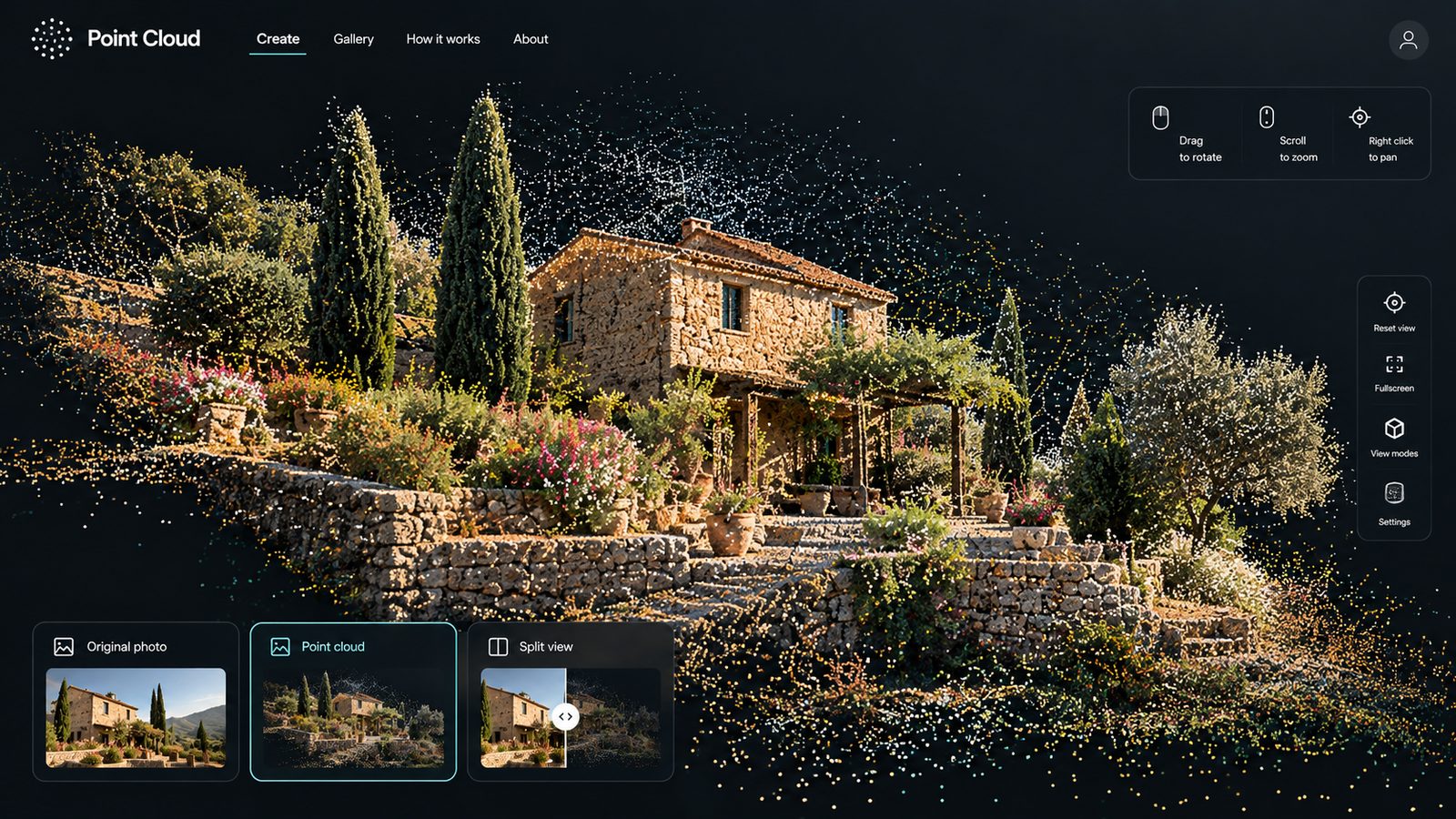
Give it a photo of a memory. Get back that moment as a 3D point cloud.
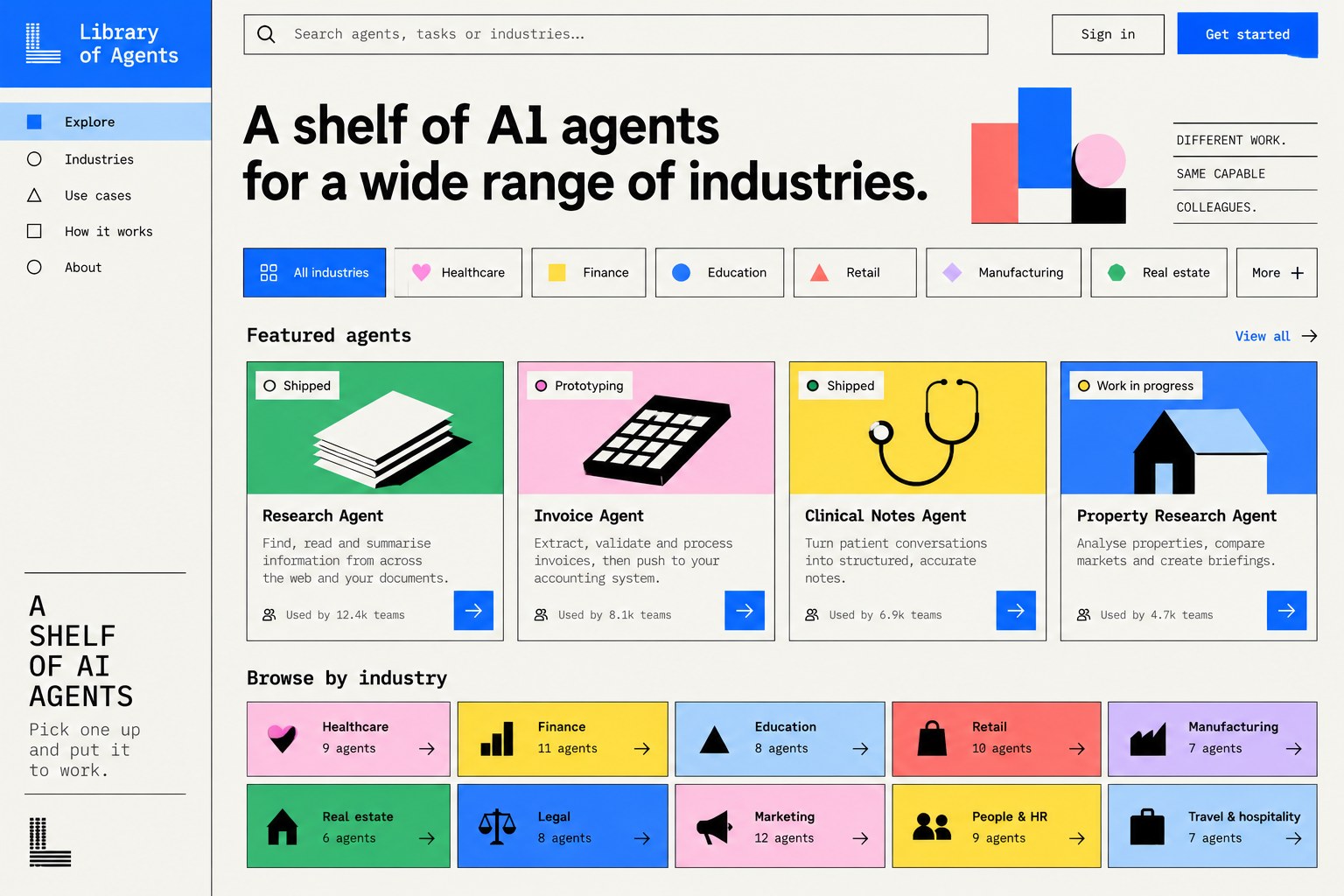
A shelf of AI agents for a wide range of industries. Pick one up and put it to work.
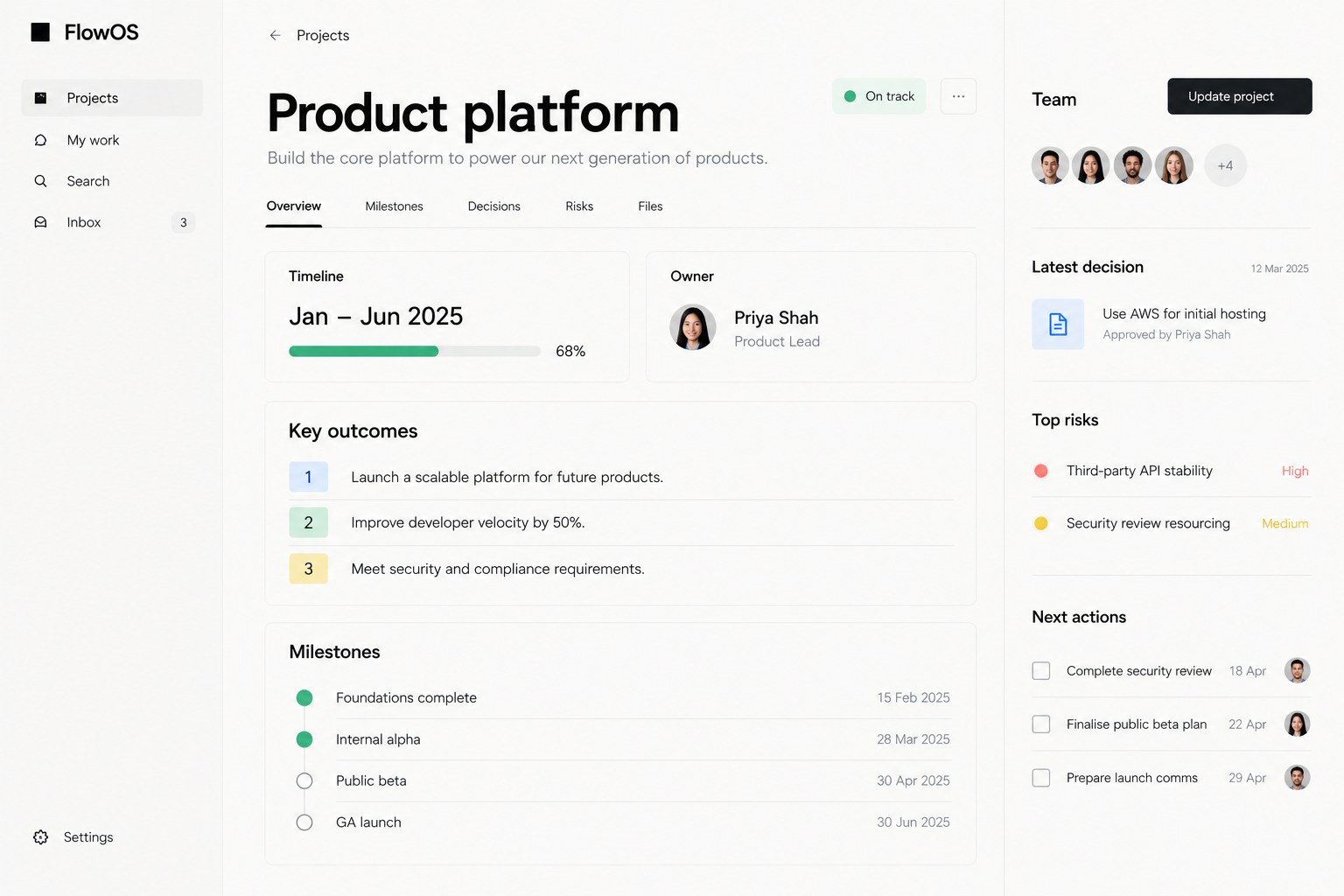
Project management with one source of truth. Not five tools that disagree.
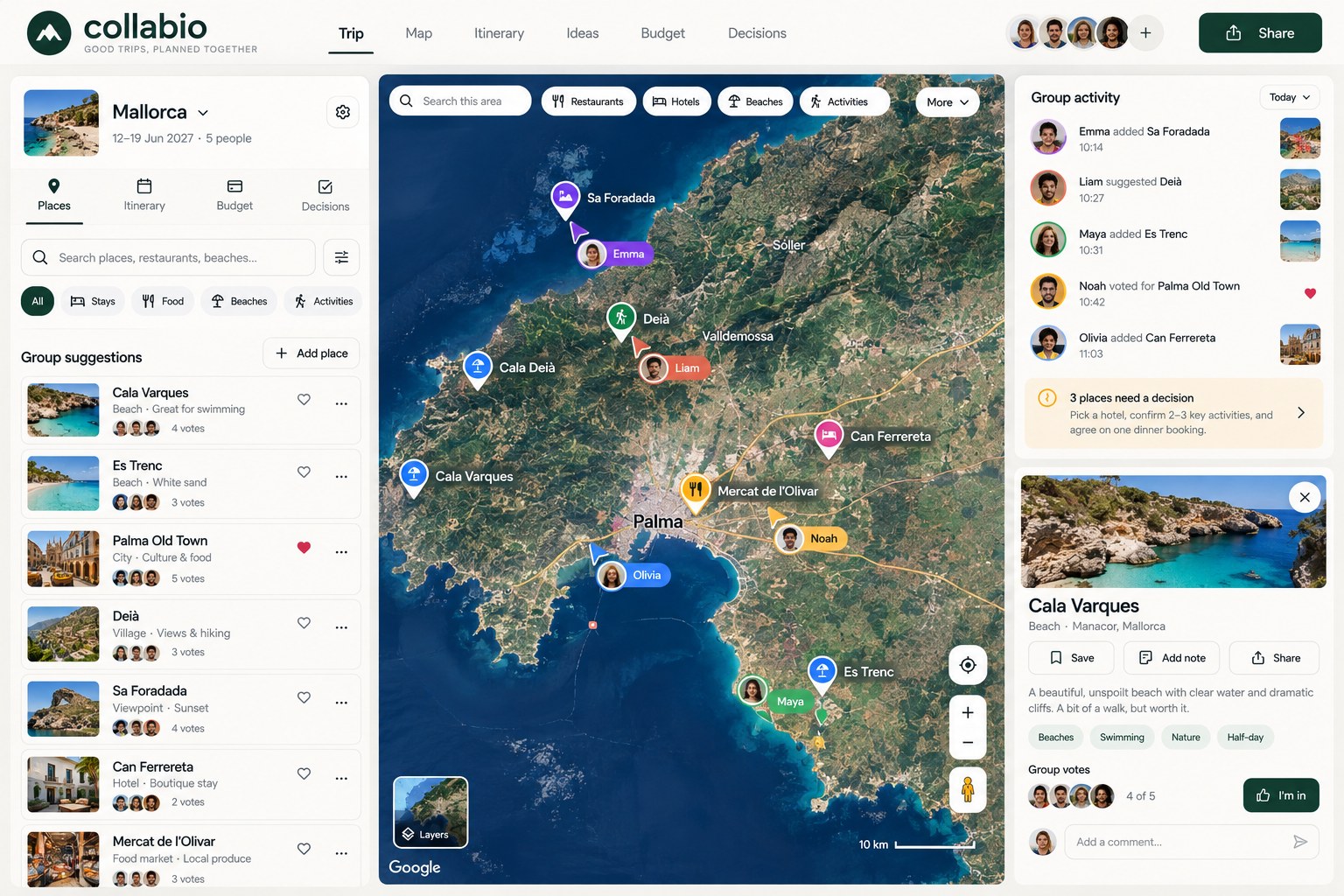
Plan a holiday together without the endless group chat.
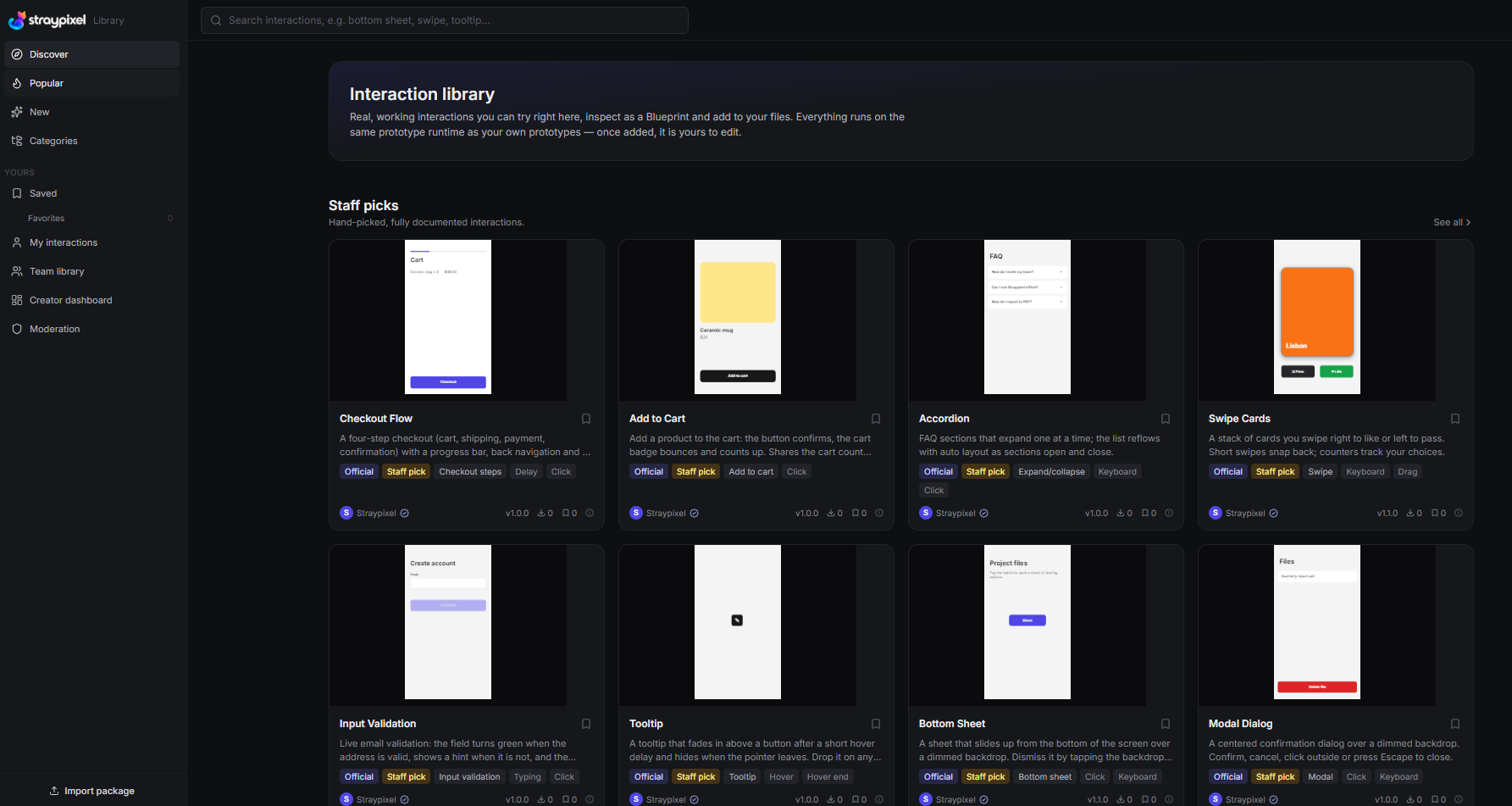
An open-source alternative to Figma.
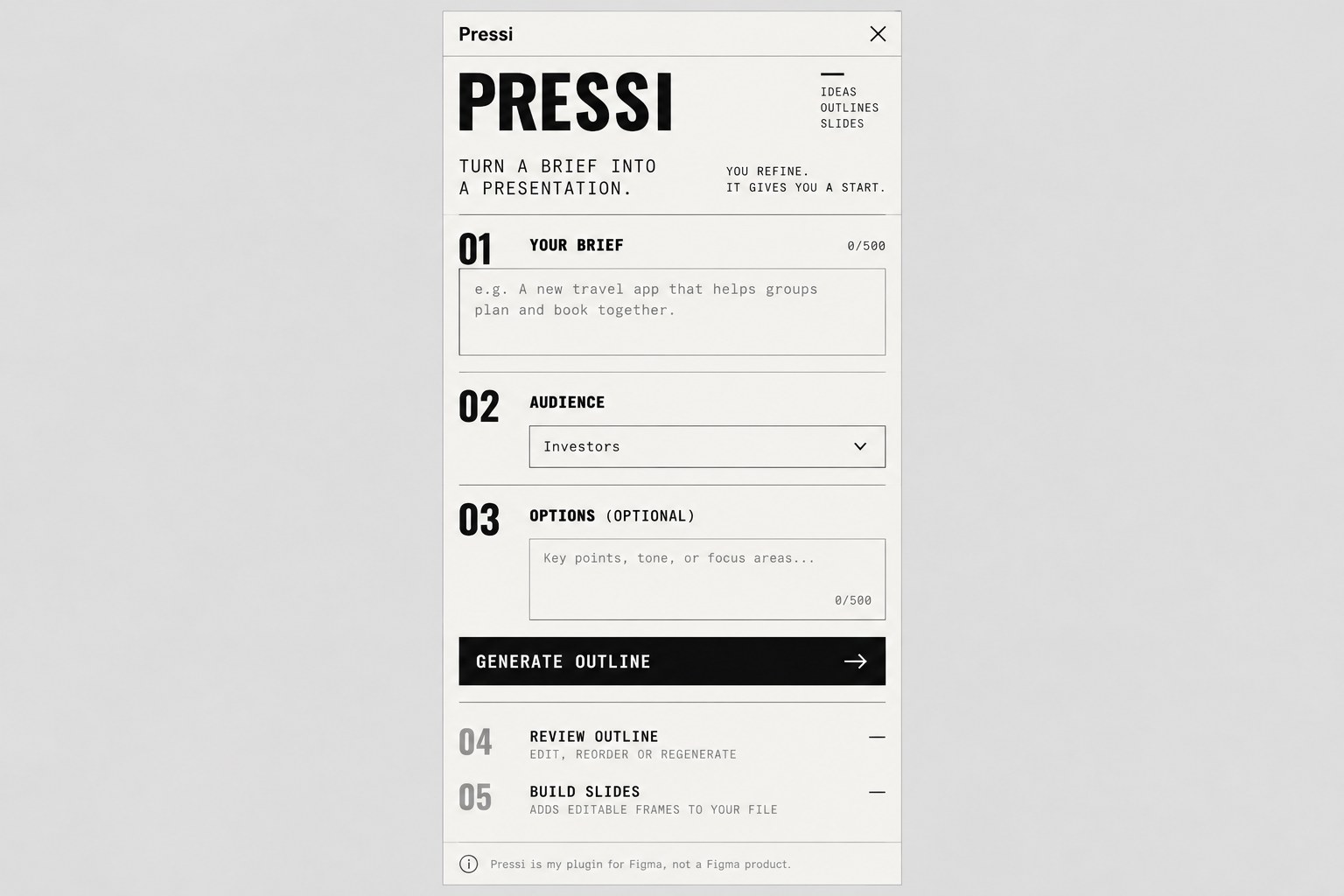
An AI-powered presentation maker that lives inside Figma.
How I work
Find a real problem. Research it, prototype it and put it in people's hands. Watch what happens, then do it again.
Find a real one. Out in the world, not in a meeting room.
Talk to people. Watch what they actually do.
Build the cheapest version that could possibly work.
Give it away. Stop explaining it.
Watch. Write down what broke and what surprised me.
Change one thing. Then go round again.
One AI, maker or weekend topic every week for a year. Built, tested and written up.
15+ years of untangling big systems. Banks, healthcare, software and an AR/VR agency I co-founded.
I make things. I break things. I figure things out. Why I’d rather build an idea than talk about it.
I wrote a novel too. Awakening: Book One – The Forgotten Path Saga.
An AI that answers from what Raj has written about himself.
Hi! Ask me anything about Raj: his work, projects, background or how to get in touch.
AI can get things wrong. Questions are logged for up to 12 months so Raj can improve the answers, so please don't share personal details. Privacy notice