Tools · 2026
Straypixel
An open-source alternative to Figma.
- Status
- Shipped
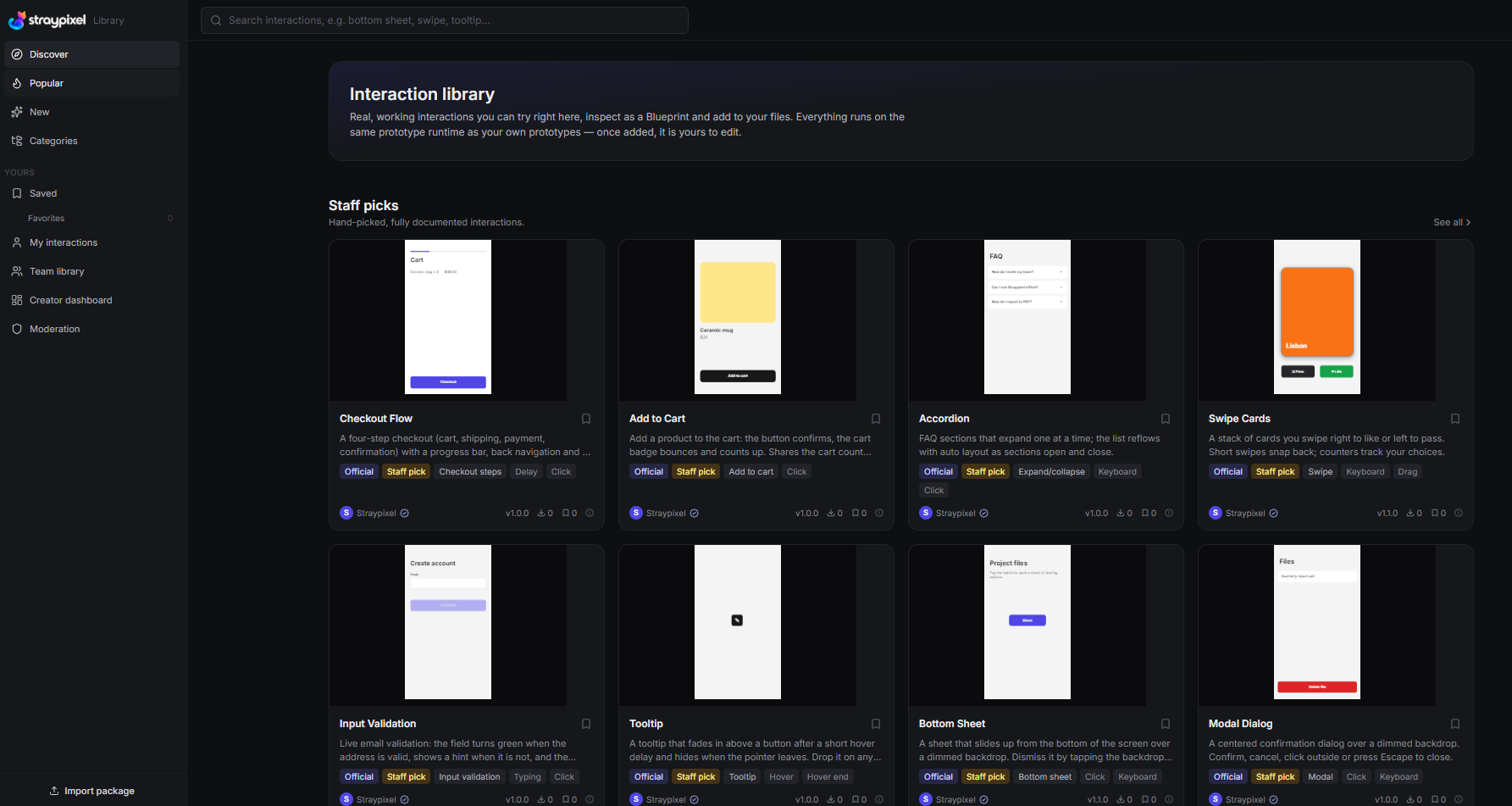
Design tools shape how teams decide and where their work lives. Straypixel is an open-source design canvas you can inspect, adapt and contribute to.
It isn’t trying to out-Figma Figma. It’s an experiment in what a design tool looks like when anyone can see how it works.
Open source is a relationship, not just a licence. Scope, issues, documentation, accessibility and a clear path to contribute are all part of the experience.
Problem
Design tools shape how teams make decisions and where their work lives. With a closed tool, every capability is someone else's product decision.
Research
Planned: map the contributor journey, from finding the project to getting a first pull request merged.
Prototype
The smallest useful canvas: add shapes and text, select, move and save. [Verify: what works today]
In people’s hands
Next: publish a contribution guide and invite the first contributors.
What happened
The hard part, as I see it: keeping selection, coordinates, zoom and editing consistent. A canvas feels simple until the interaction model breaks at the edges.
What’s next
Stabilise the core editing loop, document the file format, improve keyboard accessibility, and publish a contribution guide.
How I’m approaching it
The Double Diamond, as planned. Plans loop back once real people get involved, so this one does too.
- Define
Define the smallest canvas that's actually useful.
- Develop
Build core object manipulation.
- Deliver
Test the editing loop end to end.
- Define
Rework the interaction model wherever selection and zoom conflict.
- Develop
Improve saving, accessibility and contribution docs.
- Discover
Learn from the first contributors what the project really needs.
UX practices
- Direct manipulationSelecting and moving objects is predictable and reversible.
- Keyboard accessibilityAlternatives to pointer-only actions, with visible focus.
- Trust and continuityClear saving status, and graceful handling of refreshes and failed saves.
Service design
- Contributor journey designHow people discover the project, file an issue, contribute and get feedback.
- Governance and maintenanceClear ownership, licence, decision-making, releases, and what's out of scope.